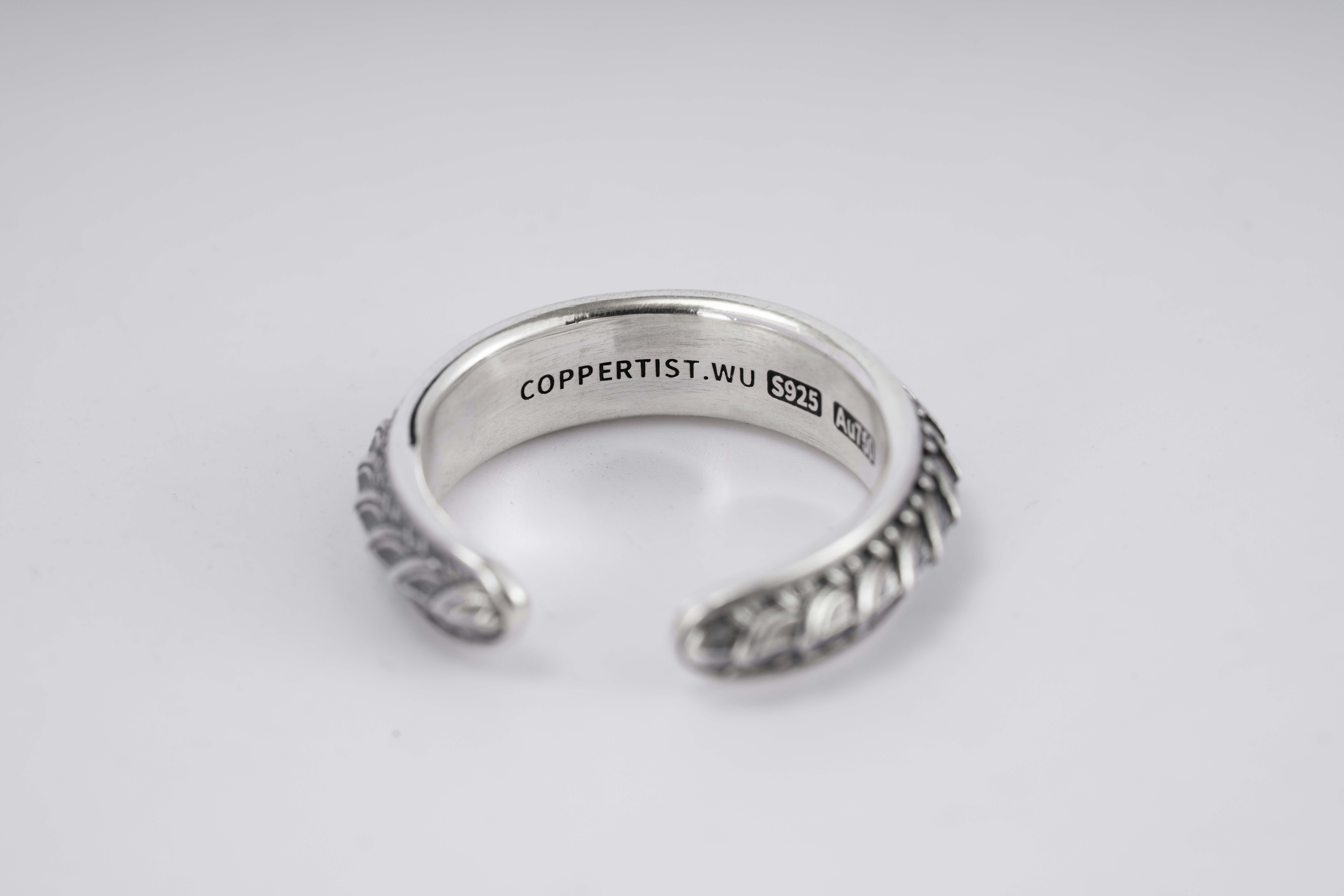
Background of Silver Jewelry Export from Indonesia
The silver jewelry industry in Indonesia has evolved over centuries, deeply rooted in the rich cultural heritage of the archipelago. Historically, silver was utilized not only as a form of currency but also as a medium for artistic expression. The craftsmanship involved in creating silver jewelry has been passed down through generations, with artisans honing their skills through traditional practices that incorporate intricate designs and unique local motifs. This historical significance has made silver jewelry a vital part of Indonesia’s cultural identity.
Indonesia has become a prominent hub for silver craftsmanship, particularly in regions such as Bali and Yogyakarta, where local artisans create an array of silver products ranging from traditional to contemporary styles. The intricate designs often reflect cultural themes and natural elements, making them appealing to both local and international markets. The diversity of silver jewelry produced signifies the richness of Indonesian culture, showcasing the talent and creativity of its artisans.
In a global context, the demand for silver jewelry from Indonesia has steadily increased, positioning the country as a significant player in the international jewelry market. The global appeal of Indonesian silver is further amplified by its unique designs, craftsmanship, and the incorporation of eco-friendly practices among various producers. As consumers increasingly seek sustainable and ethically sourced products, Indonesian silver jewelry aligns with contemporary market trends, contributing to its booming export potential.
The economic impact of silver jewelry export on local communities cannot be overstated. Many artisans rely solely on this craft for their livelihoods, and the industry supports numerous families. Furthermore, the silver jewelry sector plays a pivotal role in driving tourism and promoting cultural exchange, as visitors often seek authentic Indonesian crafts. This blend of tradition and modernity not only reinforces Indonesia’s position in the global jewelry market but also sustains local economies, ensuring the continuance of traditional silver craftsmanship for future generations.
Government Negotiations: Process and Stakeholders
The negotiation process for establishing final tariffs on silver jewelry exports from Indonesia has been a multifaceted endeavor involving various stakeholders and a series of strategic discussions. The Indonesian government played a pivotal role, with officials from the Ministry of Trade leading dialogues aimed at both domestic and international levels. They aimed to find a balance between protecting local industry interests and adhering to global trade obligations.
Key stakeholders in this process included industry representatives from the silver jewelry sector, who were vital in providing input on tariff implications and the competitive landscape. These representatives articulated the industry’s concerns over potential impacts on production costs and market positioning. This communication was essential in ensuring that the final decision reflected the realities faced by Indonesian jewelers, who significantly contribute to the economy through both exports and employment.
Foreign trade partners also entered into the negotiations, as they sought to understand Indonesia’s position and implications for trade flows. Their involvement was crucial in establishing a framework that would facilitate continued collaboration while adhering to regulatory measures. Throughout this process, the complexities of international trade laws and agreements necessitated careful navigation to avoid potential trade conflicts.
Numerous challenges arose during these negotiations, including differing opinions on tariff rates and the urgency of reaching a resolution amid economic pressures. Additionally, the stakeholders faced significant hurdles in alignments on compliance with international standards, necessitating strategic strategies. Building consensus took time and required strong negotiation skills, diplomacy, and a commitment to finding mutually beneficial solutions.
This comprehensive negotiation process highlighted the importance of stakeholder engagement in shaping policies that impact the silver jewelry industry and its export dynamics, emphasizing the need for continued collaboration in the evolving market landscape.
The Final Tariff: Key Features and Changes
The recently implemented final tariff on silver jewelry exports from Indonesia is a pivotal development for both local artisans and international importers. This tariff has been structured to align with global market standards while also providing some relief for small-scale producers. The standard tariff rate has been set at 15%, although certain categories of silver jewelry may be subject to lower rates. For instance, handmade or artisan-crafted pieces might benefit from a reduced tariff of 10%, encouraging the preservation of traditional techniques and supporting local economies.
This regulatory framework also includes exemptions for small and medium-sized enterprises (SMEs) that meet specific criteria. SMEs demonstrating sustainable business practices or those engaged in often-overlooked cultural artisanal work may qualify for preferential rates, which can drop as low as 5%. By establishing these exemptions, the government aims to bolster the competitiveness of small artisans while ensuring that larger corporations do not overshadow them in the marketplace.
One of the significant implications of these tariffs is their impact on pricing. Importers may encounter increased costs as a direct result of the tariffs, which could lead to higher retail prices for consumers in foreign markets. Consequently, this increase may prompt buyers to seek alternative sources for silver jewelry, thereby influencing the overall demand for Indonesian exports. Additionally, the higher tariff rates could diminish Indonesia’s competitive edge in the international silver jewelry market, which is already saturated with alternatives from countries like Mexico and Thailand.
In light of these developments, it is essential for both exporters and importers to reevaluate their pricing strategies and supply chain logistics to remain competitive. A thorough understanding of the new tariff structure will be crucial in navigating the changing landscape of silver jewelry exports from Indonesia, ensuring that stakeholders are well-equipped to adapt to these regulatory changes.
Future Implications: Impact on the Industry and Global Market
The final tariff on silver jewelry from Indonesia marks a pivotal moment for the country’s silver jewelry industry and poses significant ramifications for the global market. The immediate effect is expected to be a shift in export dynamics. With tariffs in place, Indonesian silver jewelry may face higher costs, which could lead to increased prices for international buyers. This, in turn, may push customers toward alternative sources, prompting a reassessment of how Indonesian silver jewelry is positioned within the global marketplace.
In response, other silver jewelry-producing countries may strategically increase their output to capture the market share vacated by Indonesian exports. Countries such as Mexico, Italy, and China, which have established reputations in the jewelry sector, may leverage their competitive pricing to appeal to consumers seeking affordable alternatives to Indonesian goods. This shift emphasizes the importance of agility and innovation within the Indonesian silver jewelry sector as competitors vie for dominance.
Moreover, consumer behavior is likely to evolve as well. With tariffs potentially inflating prices, buyers may become more conscious of their purchasing decisions, favoring brands that offer transparency and ethical sourcing. The Indonesian silver industry may need to enhance its marketing strategies to emphasize craftsmanship, heritage, and sustainability. Striking a balance between quality and price will be crucial to retaining loyal customers while attracting new clientele.
As the Indonesian silver jewelry industry navigates these challenges, it also faces opportunities. The potential for expanding into emerging markets or diversifying product lines could provide new avenues for growth. In summary, while the final tariff imposes initial challenges on the Indonesian silver jewelry sector, it also opens doors for innovation and response-driven strategies in a competitive global marketplace.