

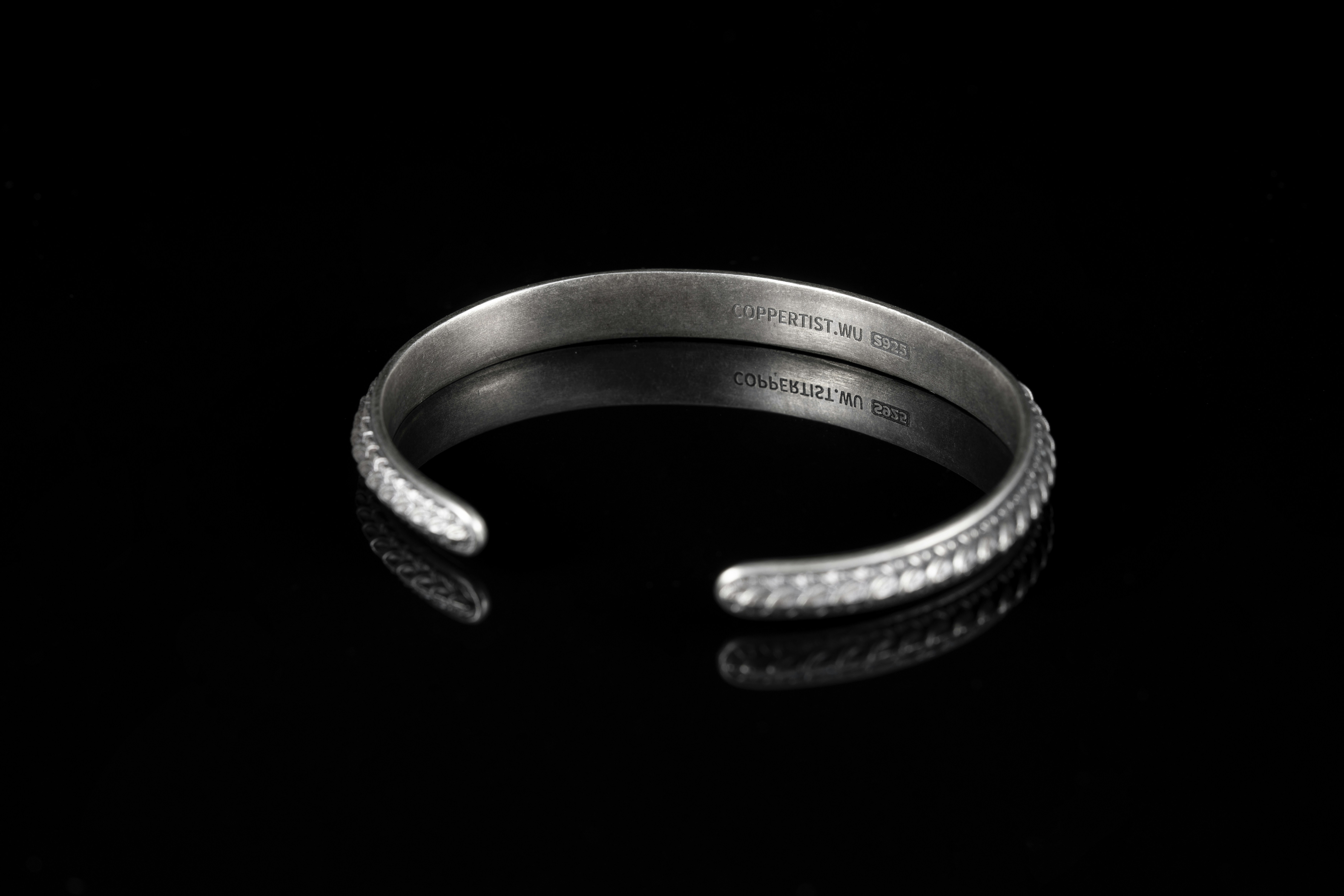
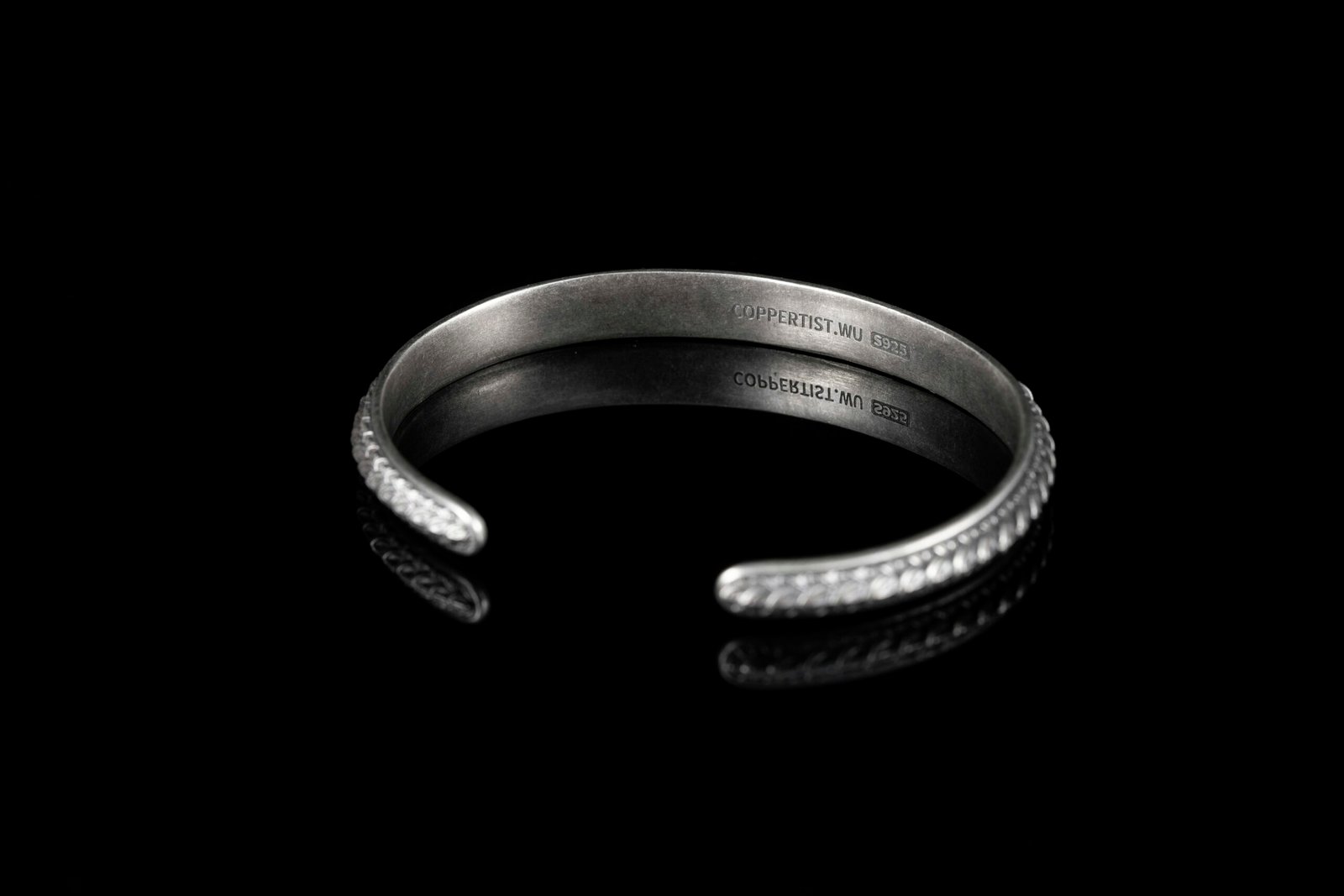
Introduction to Nickel-Free White Brass
Nickel-free white brass is an innovative alloy that is gaining traction among jewelry makers, particularly as a budget-friendly substitute for traditional materials such as silver. This unique alloy is composed primarily of copper and zinc, giving it a beautiful silvery appearance while eliminating the presence of nickel, which is known to cause allergic reactions in some individuals. Unlike conventional brass, which generally contains nickel, the nickel-free variant offers an excellent alternative for those looking to avoid skin irritations often associated with nickel exposure.
The growing preference for nickel-free white brass can be attributed not only to its hypoallergenic properties but also to its affordability. With silver prices frequently fluctuating and reaching peaks, jewelry makers are increasingly seeking options that provide a similar aesthetic without the associated costs. Nickel-free white brass fills this gap effectively—allowing artisans to create stunning pieces that resemble silver yet are significantly more accessible price-wise.
Furthermore, nickel-free white brass is incredibly versatile. Its malleability enables designers to work creatively, producing intricate designs that appeal to a wide audience. The alloy holds up well over time when properly cared for, making it suitable for various jewelry types, from rings and necklaces to bracelets and earrings. As consumer awareness of skin sensitivities increases, the demand for products that ensure both style and comfort continues to rise, further solidifying nickel-free white brass’s role in modern jewelry craftsmanship.
Cost Analysis: Nickel-Free White Brass vs. Silver
In the realm of jewelry making, cost efficiency plays a fundamental role, especially for artists and hobbyists who may have budget constraints. Nickel-free white brass, as an alternative to silver, provides compelling cost advantages that can influence purchasing decisions. Currently, the market price for silver hovers around $24 per ounce, a figure that underscores its status as a premium metal due to its luster and quality. In contrast, nickel-free white brass is considerably more affordable, often priced at approximately $5 to $10 per ounce, making it a viable choice for budget-conscious jewelry creators.
The difference in sourcing these materials also contributes to the overall cost analysis. Silver is often procured from reputable suppliers who may have stricter quality control measures and higher overhead costs. In comparison, nickel-free white brass can be sourced from various manufacturers and distributors, many of whom provide the material at reduced prices, reflecting the less intensive mining and refining processes necessary for brass compared to silver. This accessibility can significantly lower production costs for artisans.
Although silver boasts unique aesthetic qualities that enhance the beauty of handcrafted jewelry, the price of nickel-free white brass allows creators to experiment with designs without the fear of overspending. For artists crafting pieces for sale, the potential for profit also increases; the cost savings from using nickel-free white brass can lead directly to a healthier profit margin when selling items. In summary, while silver may be favored for its prestige and appearance, the economical benefits of nickel-free white brass cannot be overlooked in the competitive world of jewelry making.
Design Possibilities with Nickel-Free White Brass
Nickel-free white brass is increasingly favored in the jewelry-making community for its remarkable design versatility. This unique alloy, composed primarily of copper and zinc, offers a beautiful silver-like appearance that can be easily manipulated into a wide range of styles. Artists and jewelers are increasingly leveraging the distinct characteristics of nickel-free white brass to create pieces that resonate with diverse aesthetics and consumer preferences.
One notable aspect of nickel-free white brass is its workability. The material lends itself well to various jewelry-making techniques such as soldering, casting, and stamping. This adaptability allows for the creation of intricate designs, from delicate pendants and filigree earrings to bold statement rings. Jewelry makers can experiment with forms and shapes, producing items that vary from traditional to contemporary styles, thus appealing to a broader audience.
In addition to traditional techniques, the surface finishes applied to nickel-free white brass can dramatically transform the final appearance of the jewelry. Artists can choose from a multitude of finishes, including polished, matte, or antiqued, adding texture and depth to their creations. This flexibility enables the production of unique pieces that can highlight personal style while maintaining an elegant look.
Moreover, when combined with other materials such as gemstones or beads, nickel-free white brass can create striking contrasts and enhance the overall appeal of the piece. This compatibility with various decorative elements allows artisans to design custom jewelry that meets specific tastes and occasions, further widening the market opportunities.
Ultimately, nickel-free white brass not only encourages artistic freedom but also promotes inclusivity in the jewelry sector, enabling creators to make beautiful, affordable pieces that resonate with various customers.
Health Benefits and Sustainability of Choosing Nickel-Free Alternatives
When it comes to crafting beautiful jewelry, choosing nickel-free materials, such as white brass, yields significant health benefits, making it a preferable option for many individuals. One of the most notable advantages of nickel-free jewelry is its hypoallergenic properties. Nickel, commonly found in various metal alloys, is known to cause skin reactions in a significant portion of the population. These reactions can include rashes, dermatitis, or severe allergic reactions, leading to discomfort and even pain. By opting for nickel-free alternatives, consumers can reduce the risk of these adverse health effects, enabling them to enjoy their jewelry without concern for allergic responses.
Moreover, many artisans and jewelry makers are increasingly aware of the importance of sustainability in their craft. Selecting nickel-free white brass over traditional silver offers an environmentally friendly approach. The production of silver, while beautiful, often entails environmentally taxing processes, such as mining and refining, which can lead to significant ecological damage. In contrast, the environmental footprint of producing nickel-free white brass is considerably lower, as it often utilizes recycled materials, which lessens the demand for raw metal extraction. This commitment to sustainability is essential in promoting ethical jewelry making practices, which are gaining traction in today’s socially conscious market.
In addition to being more eco-friendly, nickel-free white brass can also be a more cost-effective choice for jewelry makers and consumers alike. As sustainable practices continue to evolve, the accessibility of nickel-free materials increases, allowing a wider audience to appreciate the craftsmanship of sustainable jewelry. By choosing nickel-free options, individuals not only safeguard their health but also contribute to a more sustainable future, reflecting a responsible lifestyle that prioritizes both well-being and environmental stewardship.